
Beat it (or eat it)
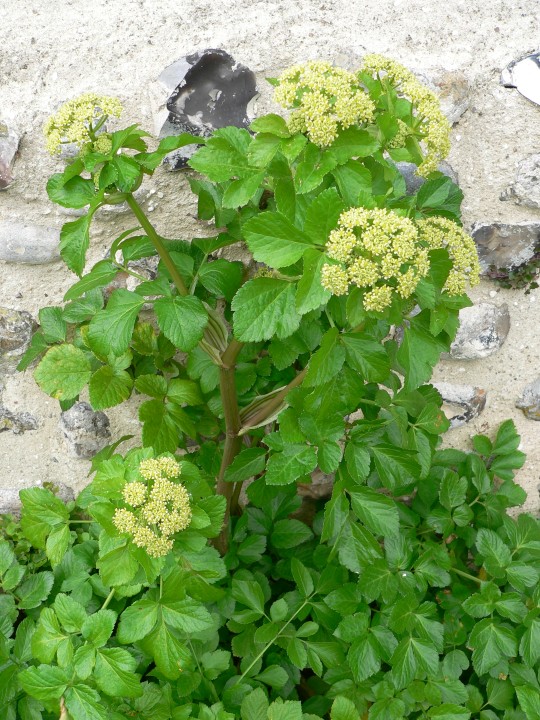
Those townie columns in our newspapers, the Bungles (B&B) as much as the Daily Mail, will tell you all kinds of things to do in and around the garden at this time of year. My advice, to one and all, is to chop the heads off any Alexanders you see.
Once they’ve started shooting and flowering, they allow nothing else to grow near, or under them. To some, I know, they look handsome. To others they are and have always been a noxious pest. “Those Alexanders do give me a headache,” I remember Mrs (Lilian) Lane complaining.
(photo David North; NWT)
Origins and the present
“Introduced to Britain in Roman times as a pot herb”, writes Simon Harrap in his Flowers of the Norfolk Coast (2008), “for many years Alexanders was confined to the immediate vicinity of the coast.” Then, in the 1990s — I blame modern intensive farming — it underwent “something of an explosion, spreading well inland in Norfolk and reaching near plague-proportions on roadside verges”. Know the plant I’m writing about now?
It is common in North and East Norfolk with “numbers diminishing westwards”. It is scattered throughout Britain, but “the bulk of the population occurs from Norfolk and North Wales southwards” (wrote Simon Harrap). And things have probably got worse over the past 15 years.
What can we do?
This morning I took my reap hook and beheaded the Alexanders on the nearest part of the Garden House Meadow. Later in the day, I shall do the same to the large and expanding patch of Alexanders beneath the Coronation Oak on the Sawpit (aka “The Green”). That discourages them, but they will keep coming back. Alexanders blooms between March and May — so go do thou likewise!

(photo David Pullinger, Brancaster Staithe; NWT)
Or you could eat it. As Mr Harrap comments, “almost the whole plant is edible, especially the thicker stems” which can be “blanched and cooked like celery”.
Until the 1700s, that was the most common use in this country for this celery-scented plant, see the Eatweeds website and other similar resources. (Blame them, not me, if this favourite Roman wonder weed does not agree with you.)
JC
The “Alexanders” entry on the Norfolk Wildlife Trust website is informative, attractive and a good read.
 A Geldeston Miscellany